Jordan Tour
Embarking on an Exploration of Jordan: A Journey Through Nature’s Marvels.
Jordan is a country filled with ancient history, stunning natural landscapes, and unforgettable cultural experiences. From exploring Amman’s historic sites to walking through the magical Siq leading to Petra, every moment feels like stepping into another world. The deserts of Wadi Rum offer adventure and breathtaking views, while peaceful places like Mount Nebo and Madaba connect visitors to deep spiritual heritage. Whether you want excitement, culture, or relaxation at the Dead Sea, Jordan has something special for every traveler
01.
Amman’s Citadel
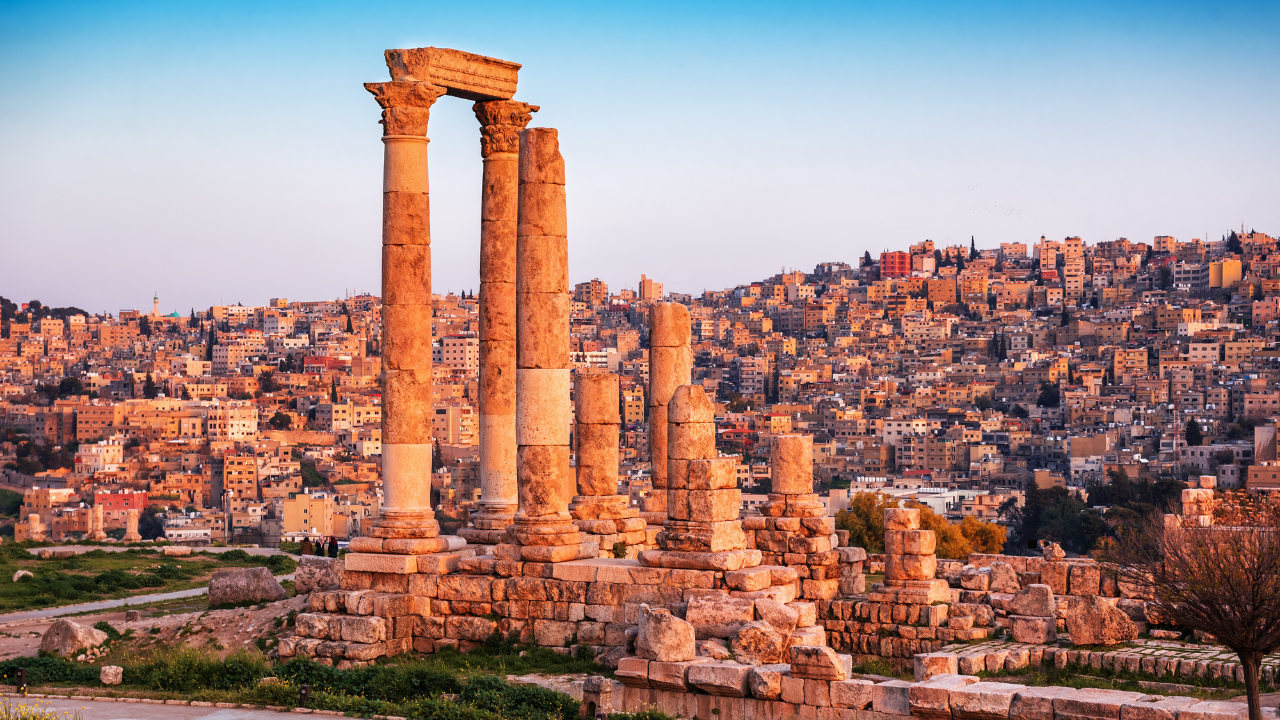
Amman’s Citadel sits proudly on one of the seven hills of Jordan’s capital city and is one of the oldest continuously inhabited places in the world. Visiting this ancient hilltop site gives you panoramic views across Amman, while walking through the historical ruins allows you to imagine life thousands of years ago. Key sites within the Citadel include the Temple of Hercules, a massive Roman-era structure, and the Umayyad Palace, known for its unique architecture and dome. The Jordan Archaeological Museum is also located here, displaying treasured artifacts discovered across the country. A visit to Amman’s Citadel is not just sightseeing—it’s a journey through time, showcasing Jordan’s long and diverse history, from Roman to Islamic periods. It is a great introduction to Jordan’s cultural roots and landscape.
02.
Al-Balad – Downtown Amman
Al-Balad, also known as Downtown Amman, is the vibrant heart of the city and offers a true taste of Jordanian culture and daily life. It is a lively area filled with local markets (souks), traditional restaurants, old shops, and historic buildings. As you stroll through Al-Balad, you’ll discover old architecture hidden between modern shops and colorful street vendors selling spices, clothing, souvenirs, and fresh fruit juices. It is also a great place to try authentic Jordanian dishes like falafel, shawarma, and mint tea. For tourists, Al-Balad is one of the best spots to mingle with locals, feel the atmosphere of Amman, and take memorable photos of Middle Eastern culture. It is also conveniently located near several historical attractions, making it a perfect stop during your city exploration.
03.
Roman Theatre – Amman
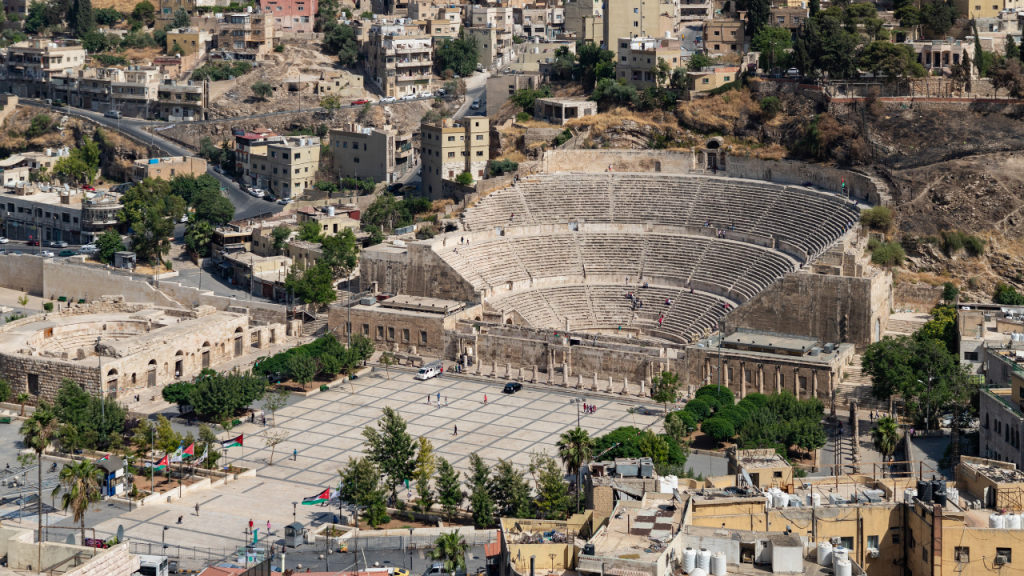
The Roman Theatre in Amman is a stunning, well-preserved amphitheater built in the 2nd century during Roman rule. Carved directly into a hillside, it can seat around 6,000 people and was once the center of entertainment, where plays, public speeches, and gatherings were held. Today, tourists can explore its steep steps, look out over the city skyline, and imagine the powerful voices that once echoed across the stone structure. The theatre is still used today for cultural events and concerts, bringing history back to life. Nearby, two small museums showcase traditional Jordanian culture—one featuring folk heritage and the other displaying everyday Jordanian artifacts. Visiting the Roman Theatre allows guests to appreciate ancient engineering and enjoy a peaceful moment surrounded by Amman’s lively city backdrop.
04.
Jerash
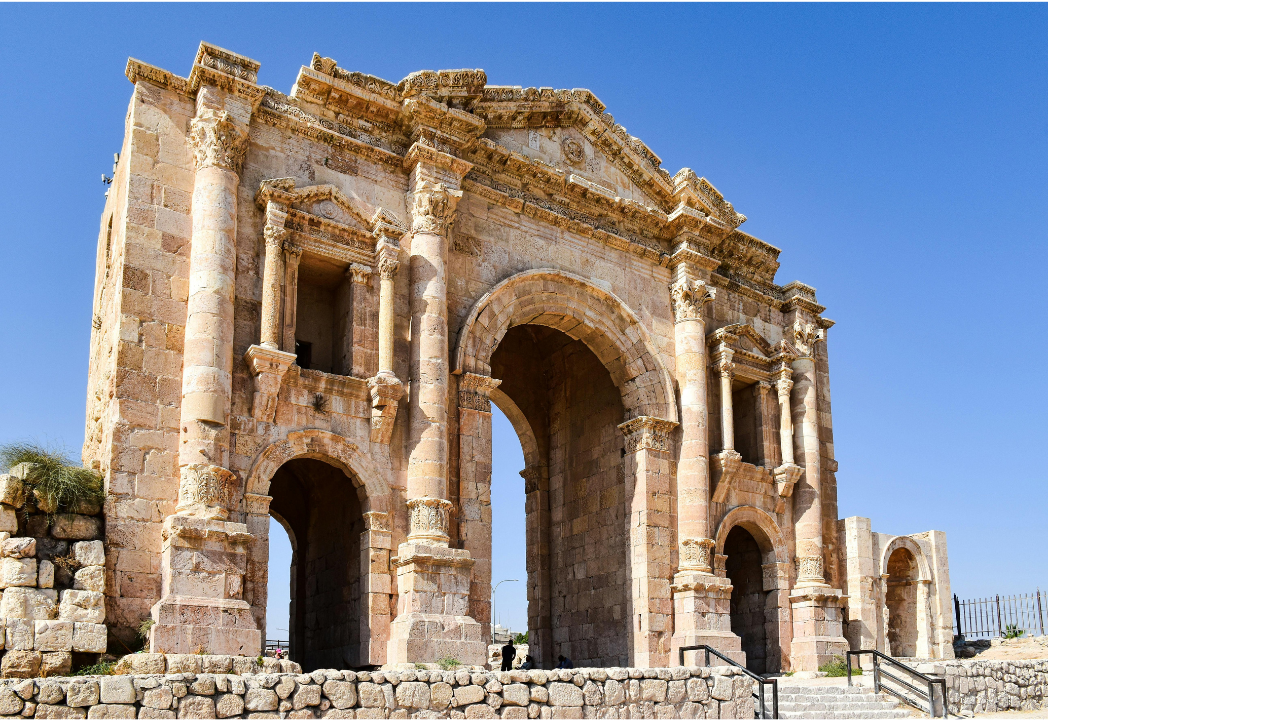
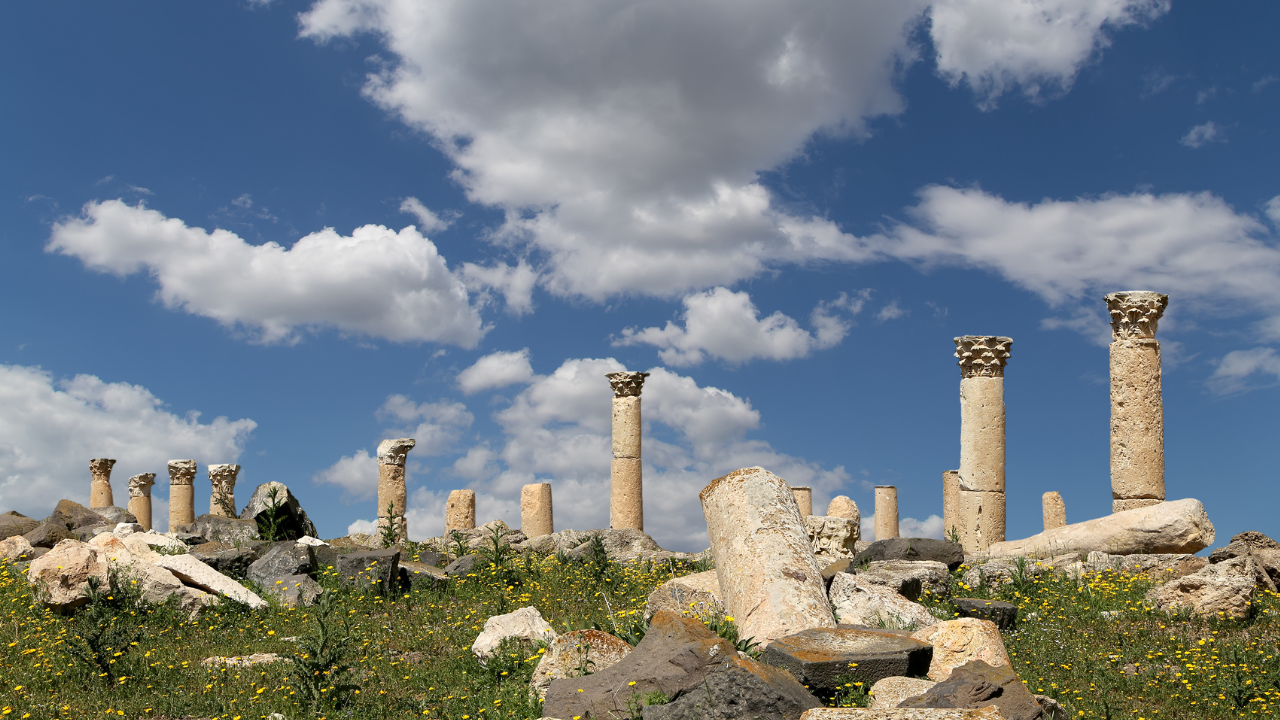
Jerash is one of the world’s best-preserved ancient Roman cities, often called the “Pompeii of the East.” When visiting Jerash, tourists are amazed by its intact ruins—still showing grand colonnades, stone streets, temples, theatres, plazas, and massive arches. The most iconic site is Hadrian’s Arch, which welcomes visitors into the ancient city remains. Jerash brings Roman history to life as you walk through the Oval Plaza, lined with pillars, and explore the Temple of Artemis, dedicated to the city’s patron goddess. The site often hosts reenactments and cultural shows, which showcase Roman traditions such as chariot racing. Surrounded by green hills and quiet landscapes, Jerash offers a unique combination of natural beauty and archaeological wonder, making it a must-visit destination for travelers who appreciate architecture, culture, and ancient civilizations.
05.
Petra – The Siq
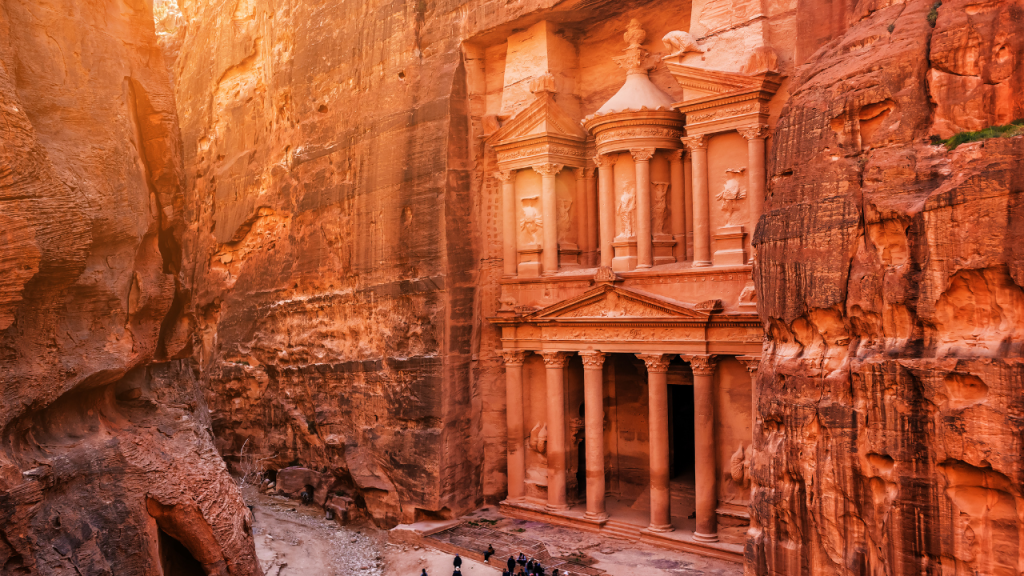
The Siq is the dramatic entrance to Petra, Jordan’s most famous archaeological site and one of the New Seven Wonders of the World. It is a narrow, winding gorge almost 1 kilometer long, formed naturally between towering red-pink sandstone cliffs. Walking through the Siq feels like stepping into a hidden world; every turn reveals stunning rock formations and ancient water channels carved by the Nabataeans. The pathway builds suspense, as the view slowly opens to reveal Petra’s most iconic structure, Al Khazneh, at the end. The Siq itself is an unforgettable experience—peaceful, mysterious, and photogenic—offering travelers a magical journey before even reaching Petra’s main monuments. Its natural beauty combined with ancient history makes the Siq one of Jordan’s most unique and memorable attractions.

06.
Al-Khazneh (The Treasury), Petra
Al-Khazneh, famously known as The Treasury, is Petra’s crown jewel and one of the most photographed monuments in the world. Carved entirely into rose-red sandstone cliffs, this majestic façade stands 40 meters high and is believed to have been built in the 1st century as a royal tomb. Its grand pillars, detailed carvings, and mysterious history make it a breathtaking sight, especially when it first appears at the end of the Siq. Visitors often stay here for photos, camel rides, or simply to admire the monumental architecture. Early morning or sunset creates magical lighting, highlighting its golden-pink color. The Treasury truly showcases Petra’s incredible craftsmanship and leaves every visitor in awe, making it a bucket-list location for history lovers and adventure seekers alike.
07.
Jeep Safari Tour – Wadi Rum
The Jeep Safari Tour in Wadi Rum is one of the most exciting ways to explore Jordan’s stunning desert landscapes. Riding in a 4×4 vehicle, visitors travel across endless red-sand plains, towering cliffs, and unique rock formations shaped by wind and time. Stops along the way include natural rock arches, ancient petroglyph carvings, sand dunes where you can climb and slide, and scenic lookout points perfect for photography. The safari gives guests a sense of freedom and adventure, almost like being on Mars—no wonder Wadi Rum has been used as a filming location for many space-themed movies. Guides, often Bedouin locals, share stories about the desert’s culture and traditions. The tour is thrilling and fun, suitable for all ages, and offers unforgettable views not found anywhere else in the world.
08.
Multi Colored Canyon
Jordan’s multi-colored canyons are a natural wonder created by layers of sandstone, minerals, and ancient geological movement. These canyons display vibrant shades of red, orange, yellow, and white, making the scenery look like a painted masterpiece. Tourists enjoy walking or hiking through these unique formations, where narrow passages and tall rock walls create cool shadows and a sense of adventure. Along the way, guides often point out interesting shapes, rock textures, and how Bedouins have used the landscape for centuries. These colorful canyons offer amazing photography opportunities and a peaceful escape from busier tourist attractions. Whether visited during early morning or late afternoon, sunlight dramatically changes the colors, creating a magical and unforgettable experience for travelers who love nature and beautiful landscapes
09.
Towering Sandstone Mountains
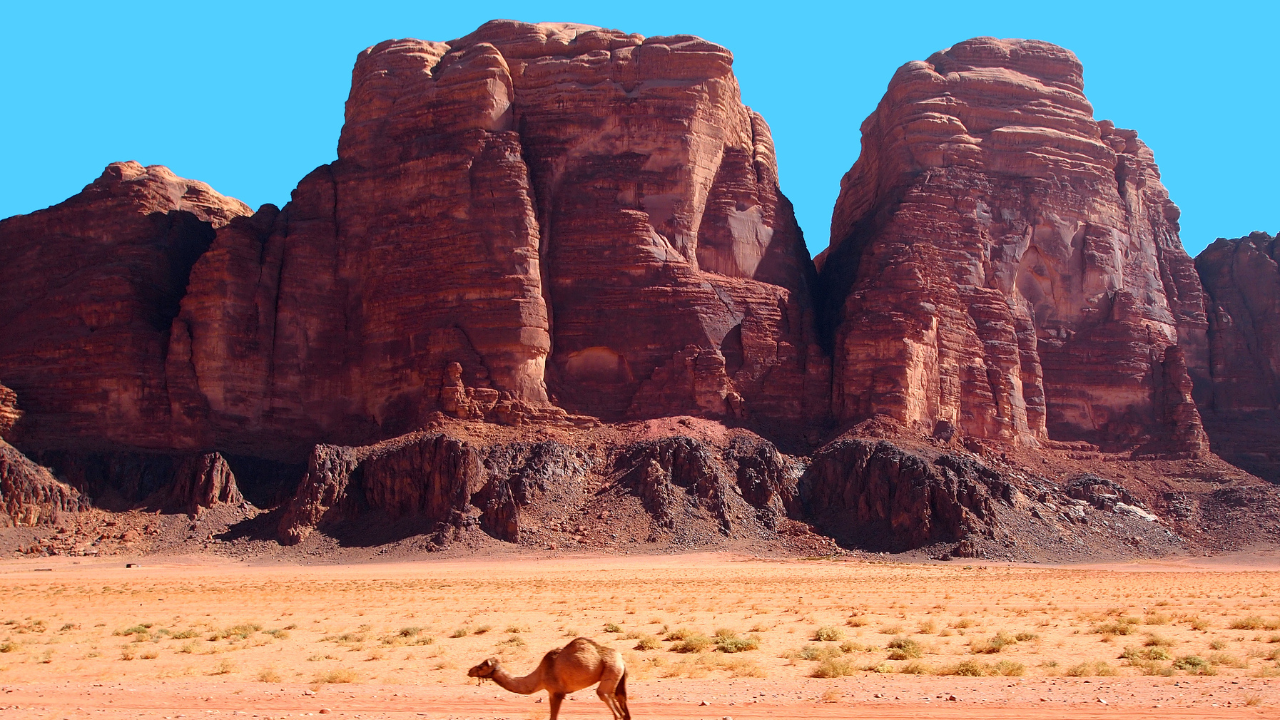
Towering sandstone mountains are one of Jordan’s most iconic desert features, especially within Wadi Rum. These massive rock formations rise dramatically above the flat desert floor, creating breathtaking scenery. Their shapes vary—from sheer cliffs to smooth, rounded structures—and their colors change with the sunlight, shifting from deep orange to soft pink. Visitors often feel a sense of awe when standing beneath them, imagining how time, wind, and weather carved these natural giants over millions of years. Many adventurous guests choose to hike or climb these mountains, while others simply enjoy watching the sunset against their majestic backdrop. The towering sandstone mountains give Wadi Rum its unique “other-planet” look and are one of the reasons travelers describe Jordan as a land of natural miracles.
10.
Dunes of Wadi Rum
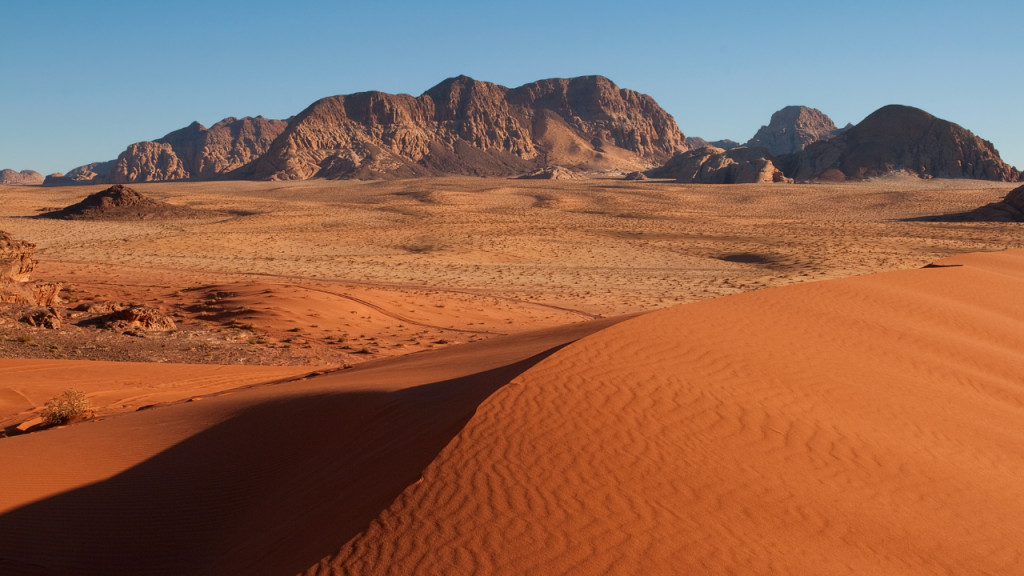
The dunes of Wadi Rum are vast stretches of soft, reddish-orange sand shaped by desert winds. Walking across or climbing these dunes is a favorite activity among visitors, providing a fun yet slightly challenging adventure—especially when your feet sink into the sand. From the top, guests are rewarded with panoramic views of the desert, mountains, and sky. Many travelers also enjoy running or sliding down the slopes like children. These dunes are also perfect for sunrise and sunset moments, where the sand glows brightly under changing light. Locals often describe Wadi Rum dunes as the “heartbeat of the desert,” connecting travelers to silence, peace, and nature. Visiting the dunes gives you a different kind of joy—simple, pure, and unforgettable.
11.
Mount Nebo
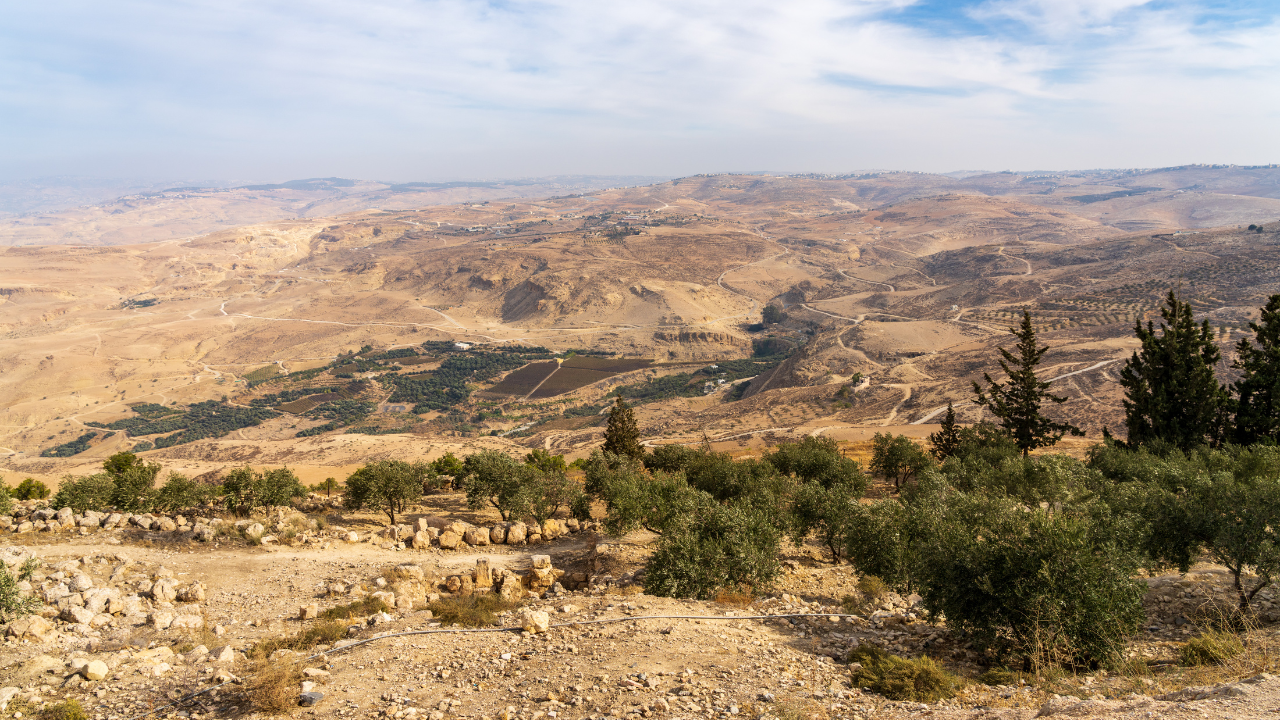
Mount Nebo is a sacred religious site overlooking the Holy Land and the Jordan Valley. According to tradition, this is the place where Prophet Moses (Nabi Musa) was shown the Promised Land before he passed away. Today, visitors come to Mount Nebo to experience its spiritual significance and breathtaking views stretching across Jericho, the Dead Sea, and even Jerusalem on clear days. At the top, a church and memorial building feature beautiful mosaics dating back more than 1,500 years. Mount Nebo is peaceful and quiet, allowing tourists to reflect and appreciate the region’s religious history. Whether you are spiritually connected or simply love scenic viewpoints, Mount Nebo offers a meaningful stop filled with history, culture, and beautiful landscapes.
12.
Madaba
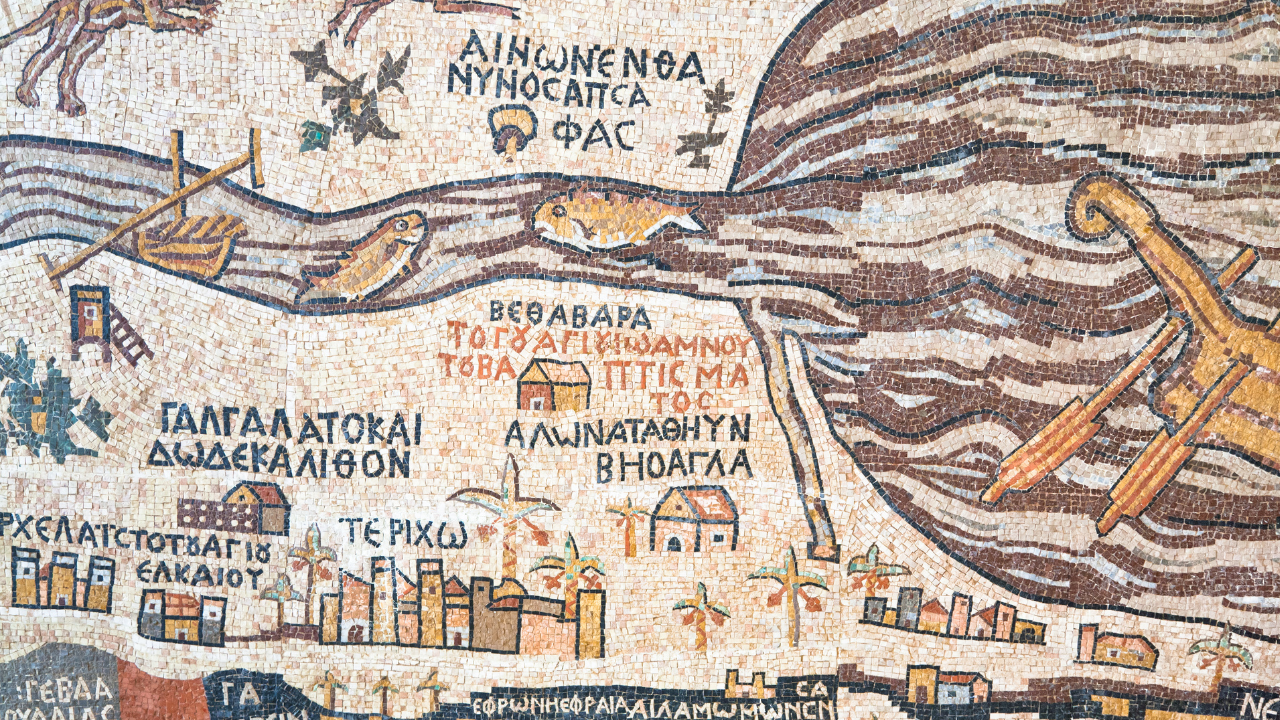
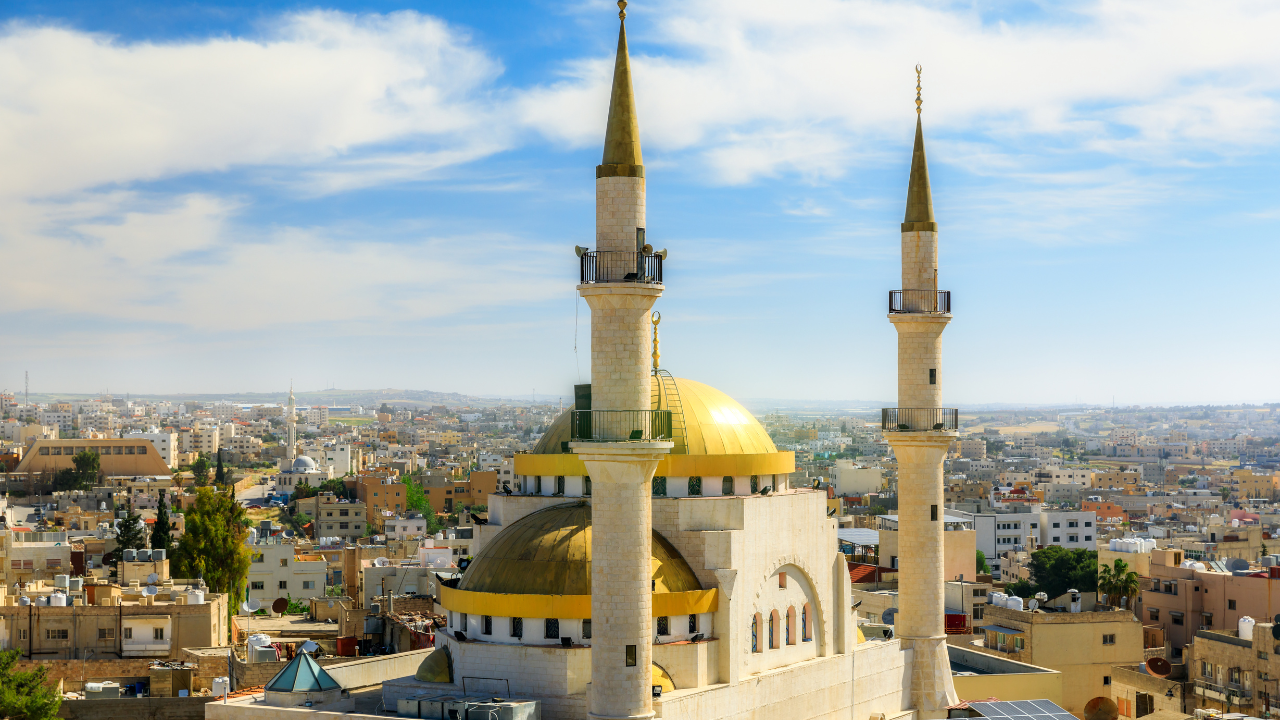
Madaba is known as the “City of Mosaics” due to its incredible collection of ancient mosaic artwork found in churches, homes, and archaeological sites. The most famous masterpiece is the Madaba Map—a detailed mosaic floor created in the 6th century showing the geography of the Holy Land. Tourists visiting Madaba can explore churches, local craft shops, and workshops where artisans still create mosaic pieces by hand. This city provides a more relaxed atmosphere, with friendly locals and quiet streets perfect for walking. It is also a great destination to learn more about Jordan’s Christian heritage and artistic traditions. Visiting Madaba lets you see history preserved in delicate stone pieces, making it a must-visit stop for those interested in culture, religion, and art.
13.
Dead Sea
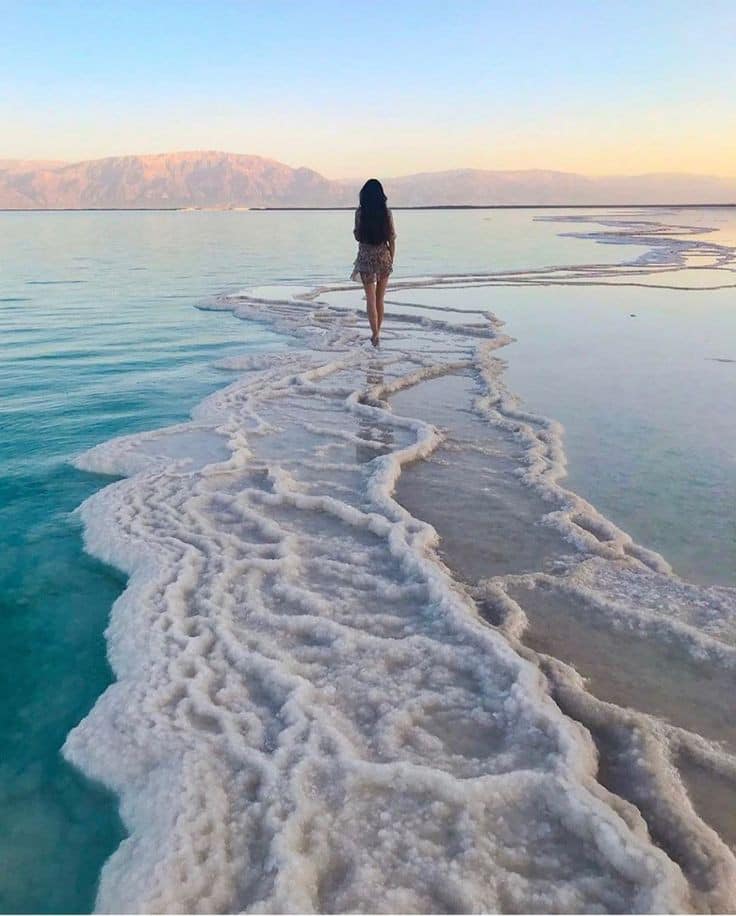
The Dead Sea is one of the most unique natural wonders on Earth, located at the lowest point on the planet—430 meters below sea level. Its water is ten times saltier than the ocean, making it impossible to sink. Visitors love floating effortlessly on the surface—a relaxing and photo-worthy experience. The mud around the Dead Sea is rich in natural minerals, believed to have healing and skin-rejuvenating properties. Many guests enjoy applying this mud as a natural spa treatment. The area also offers peaceful beaches and stunning sunset views across calm waters. A visit to the Dead Sea gives travelers a chance to unwind, recharge, and experience something rare and unforgettable, making it one of the highlights of Jordan.
14.
Ajloun
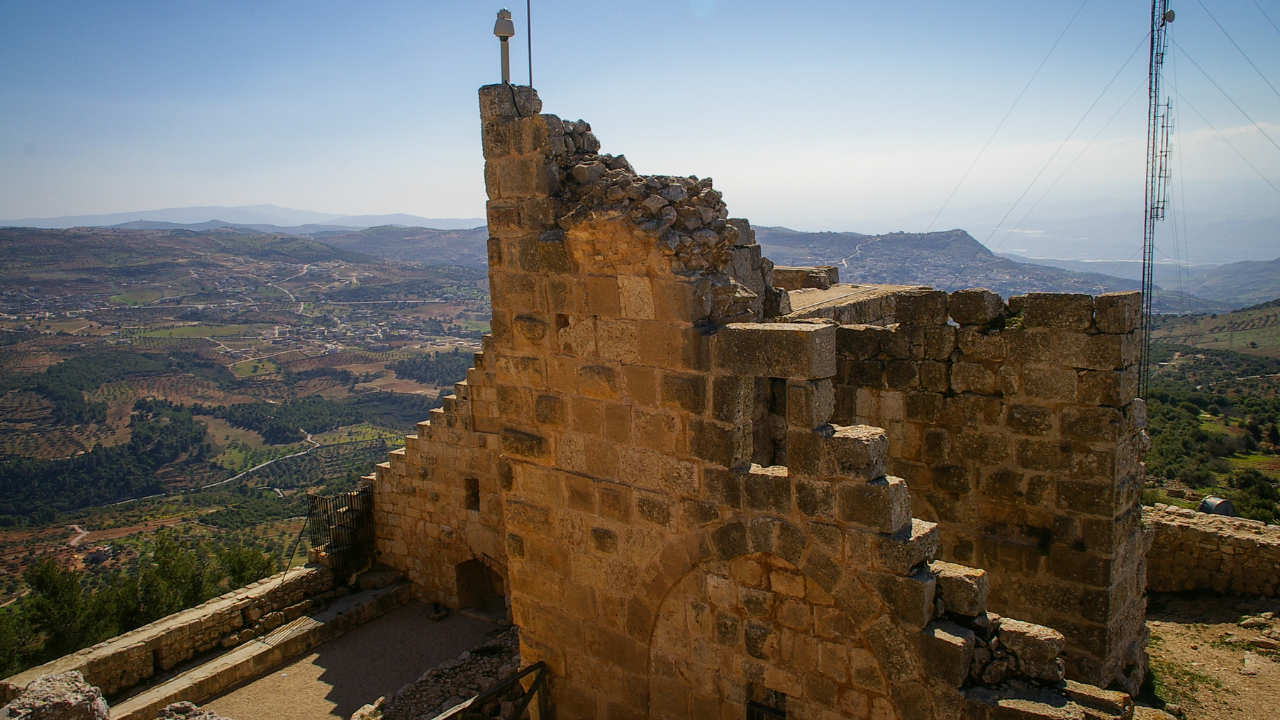
Ajloun is a picturesque highland region famous for its lush green scenery—very different from Jordan’s desert landscapes. The highlight is Ajloun Castle, a 12th-century fortress built by Saladin’s army to defend against Crusader attacks. Visitors can explore the castle’s towers, stone corridors, and lookout points offering panoramic views over valleys and forests. Ajloun is also known for its cooler weather, walking trails, and nature reserves where travelers can enjoy peaceful outdoor activities. For those who want a break from city sightseeing, Ajloun offers a refreshing touch of nature combined with Islamic history and medieval architecture. It is a meaningful destination that connects travelers to Jordan’s defensive past and its beautiful green side.
15.
Umm Qais
Umm Qais sits in northern Jordan and offers one of the most stunning viewpoints in the country—overlooking the Sea of Galilee, the Golan Heights, and the Yarmouk Valley. It is home to the ruins of the ancient Greco-Roman city of Gadara, where visitors can walk through basalt-stone amphitheaters, columns, and old pathways. Umm Qais combines history, culture, and panoramic scenery, creating a peaceful atmosphere far away from busy cities. Local villagers nearby often sell handmade honey, oils, and crafts, giving tourists a warm cultural touch and chance to support local families. For travelers who enjoy photography, quiet places, and breathtaking natural landscapes, Umm Qais is a memorable stop on a Jordan tour.
Packages starting from :
Standard Package
(3 Stars Hotel or equivalent)
5 Days 4 Nights
- 1-3 Pax : RM 3365/Pax
- 4-5 Pax : RM 3265/Pax
- 6-14 Pax : RM 3165/Pax
6 Days 5 Nights
- 1-3 Pax : RM 3999/Pax
- 4-5 Pax : RM 3899/Pax
- 6-14 Pax : RM 3799/Pax